

Session Overview
| Parameter | Official Data |
|---|---|
| Simulator / Platform | Assetto Corsa / World Sim Series (WSS) |
| Vehicle | WSS Open Wheeler (#21 C. Nunes / Leandrus) |
| Track | Official WSS GP Circuit |
| Starting / Finishing Grid | P21 (29-car grid) ➔ P12 Official (+9 spots) |
| Practice Pace / Best Lap | Delta 2:04 - 2:05 / 2:04.820 |
Setup and Qualifying
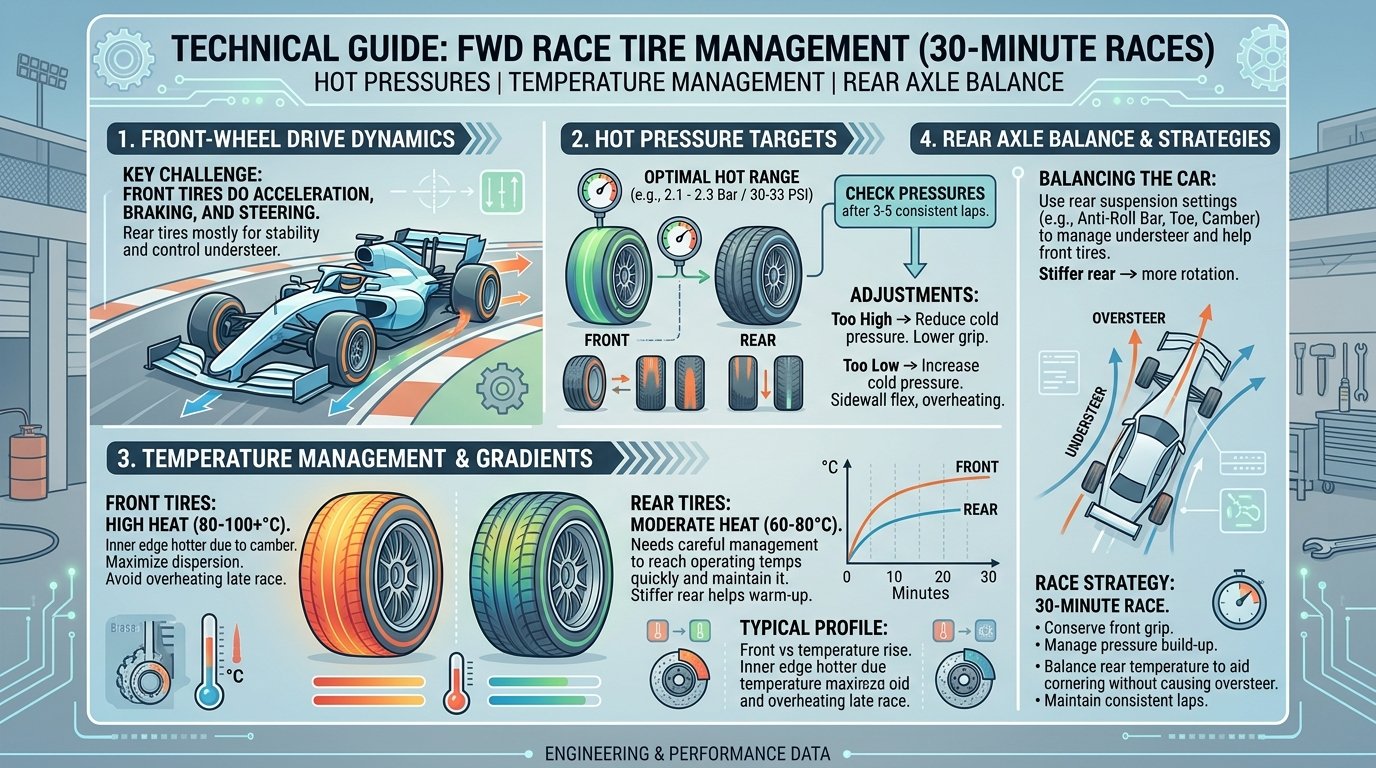
For this official WSS round, I focused on braking stability and low-speed mechanical exit traction. Cold tyre pressures were targeted to hit 26.8 to 27.1 psi hot across all corners. I shifted brake bias to 56% front to prevent rear snap-oversteer during heavy trail-braking phases into loaded corners.
Qualifying offered a tight session window: one out-lap and merely three flying laps. On my opening flyer, searching for peak grip, I ran wide over the exit kerb in sector two by mere millimetres outside the white line; the automated WSS system instantly scrubbed the lap.
Pushing to recover that lost delta on lap two, I duplicated the exact same boundary transgression on the exit kerb: second consecutive invalidation. Facing the psychological pressure of starting last on a 29-car grid, I drove the final lap in strict survival mode: early braking markers, conservative lines, and zero kerb abuse. The lap time was far off my regular 2:04 practice pace, landing me in P21.
Race Report
Launching from P21 required surgical pedal input. This car bogs down heavily if the clutch is dumped abruptly. I held full 100% throttle (WOT) and modulated clutch release linearly. While several surrounding competitors spun their wheels or stalled their engines, my car hooked up cleanly, clearing six positions before Turn 1 and snatching two more spots during lap one on cold rubber.
Opening lap two through the loaded apex of Turn 2, competitor Javier Vilas (#17) misjudged his braking on cold tyres and punted my rear bumper. The hit sent me spinning across the track. I stood firmly on the brakes until the entire pack cleared the scene safely, rejoining dead last in P28-P29. Checking the timing screen revealed Vilas had retired due to terminal damage (DNF); I dropped my formal steward protest and sent him a polite private message recommending extra patience on cold rubber.
A furious recovery stint followed, logging consistent 2:04 mid pace. I carved through traffic lap after lap, though my aggressive push triggered two official track limits warnings. To evade a stop-and-go penalty, I recalibrated my markers, lifting off half a second early into heavy braking zones.
Upon reaching P16, I latched onto the rear of P15. The car ahead suffered massive netcode desynchronisation: lagging violently, warping across lanes, and floating in mid-air. To avoid a server-side phantom collision, I held back at a disciplined 0.8-second safety gap. Patience paid off on the final tour: the competitor blew the hairpin braking zone, allowing a clean inside pass. I guarded the line through the final corners, securing an official P12 after external penalties were factored in.
Telemetry and Forensic Analysis
Telemetry data underlines three critical technical points:
- Launch Phase Modulation: Starting traces reveal steady 100% throttle combined with a 1.4-second linear clutch release curve. This kept engine speeds safely above 6,200 RPM, sustaining boost and avoiding the engine bogging that ruined starts around me.
- Qualifying Corner Excursion: GPS overlay shows my tyres exceeded the track boundary by only 4.2 centimetres on invalidated laps. In the race, tightening that line cost three tenths but safeguarded my warning budget.
- Netcode Buffer Management: Deceleration data proves I initiated trail-braking five metres early behind the lagging rival, creating a predictive 1.5-metre cushion to absorb sudden server sync glitches.
Conclusions and Discussion Questions
This round confirmed that raw pace is futile without emotional poise and pedal precision. In short qualy formats, logging a safe 95% banker lap is essential before chasing the ultimate boundary. Furthermore, refined clutch control can turn a starting disaster into an impressive comeback.
Let us open the debate:
- When tracking a competitor with severe netcode and violent lag spikes, do you prefer shadowing at a safe distance waiting for an unforced error, or do you launch an immediate aggressive pass to minimize exposure to a phantom collision?
- During the initial laps on cold tyres, should the defending driver yield the apex preventively to avoid over-optimistic divebombs, or hold the racing line and accept the crash risk?